
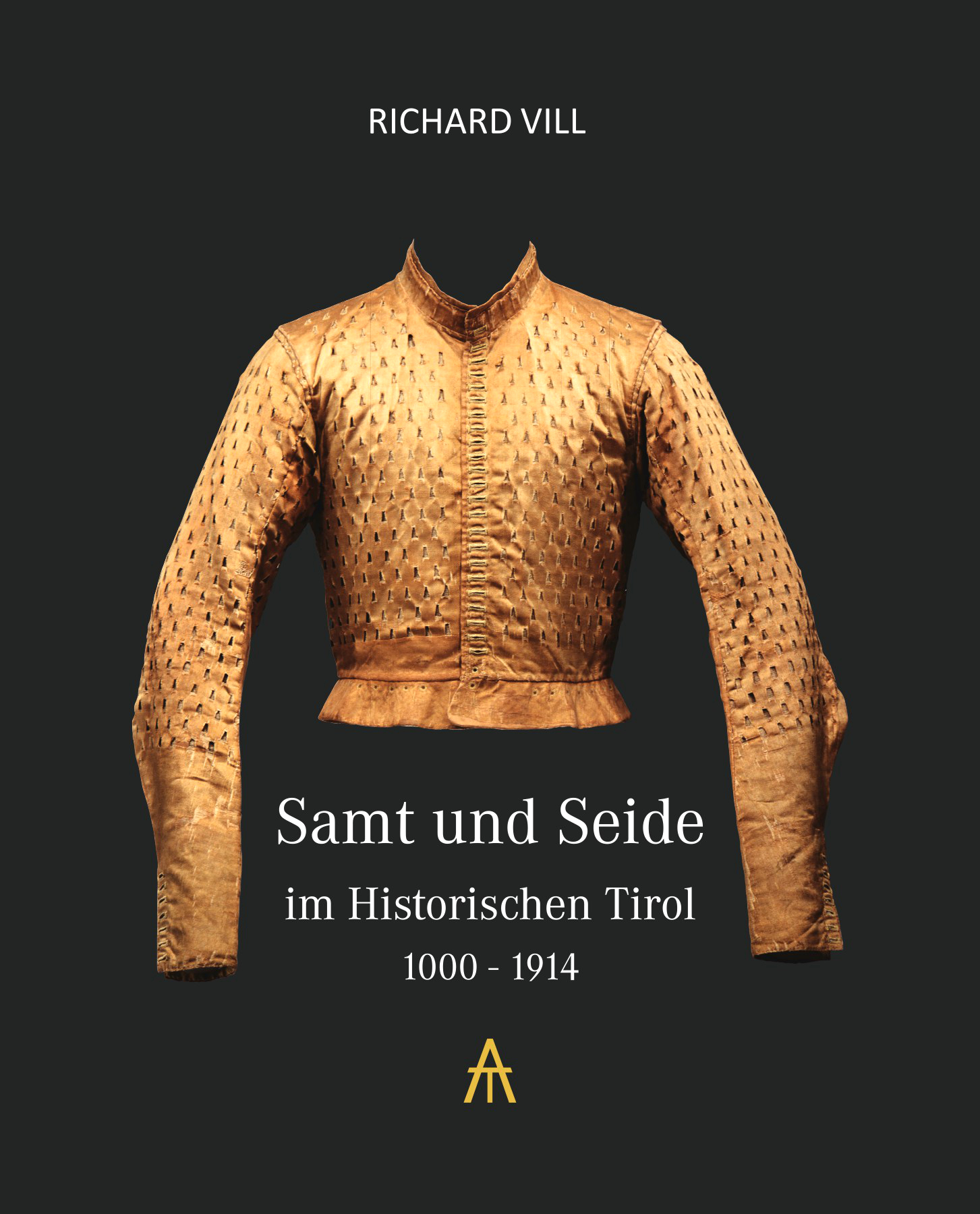
Samt und Seide im Historischen Tirol 1000 – 1914
About the book
Velvet and silk were the most prestigious fabrics. Thanks to its central position in the heart of Europe, the European region of Tyrol today holds a number of extremely valuable textile treasures, some of them unique internationally. These are works of art that were made in the region, or made or purchased for it: a region whose political structure and cultural landscape were shaped from the 11th century onwards by the dynastic policies of its secular and ecclesiastical rulers. The cultural importance of textiles is reflected in the sheer variety in which they were produced and in the large number of objects that have survived, which is all the more remarkable given their fragile nature. Besides astonishing technical skill, they also reveal the high ritual value that has always been attached to textiles. Textiles are among the most endangered historical works of art. Medieval vestments, for example, have survived only in isolated cases and in small numbers, yet they remain the broadest basis for research into the textile history of the Middle Ages.
As social structures and economic conditions changed, the bourgeoisie emerged from the late Middle Ages alongside the territorial princes and the nobility, with a growing desire for refined clothing and well-furnished homes. The many objects in velvet and silk, from magnificent tapestries and precious liturgical and secular textiles to the fashions of past centuries, are unique testimonies to the splendour and power of bygone times and bring the history of that era vividly to life.
In terms of the development of techniques and production processes, closely linked to the region's economic and textile history, Tyrol, with its various local centres of textile production, displays a broad and well-functioning economic structure, almost like a division of labour. In the south of the country, silk production, beginning with the planting of mulberry trees for silkworm breeding and later extending to silk yarns and fabrics, was regarded as the true foundation of prosperity in Trentino and the South Tyrolean Unterland. The particular geographical position of historic Tyrol, as a meeting point between southern and northern cultures, made the development of the textile sector and the trade in textile goods a remarkable hub within Europe.
Details
Questions? Partnerships? Become a member!
Would you like to join our network, suggest a partnership or ask about our programmes?